
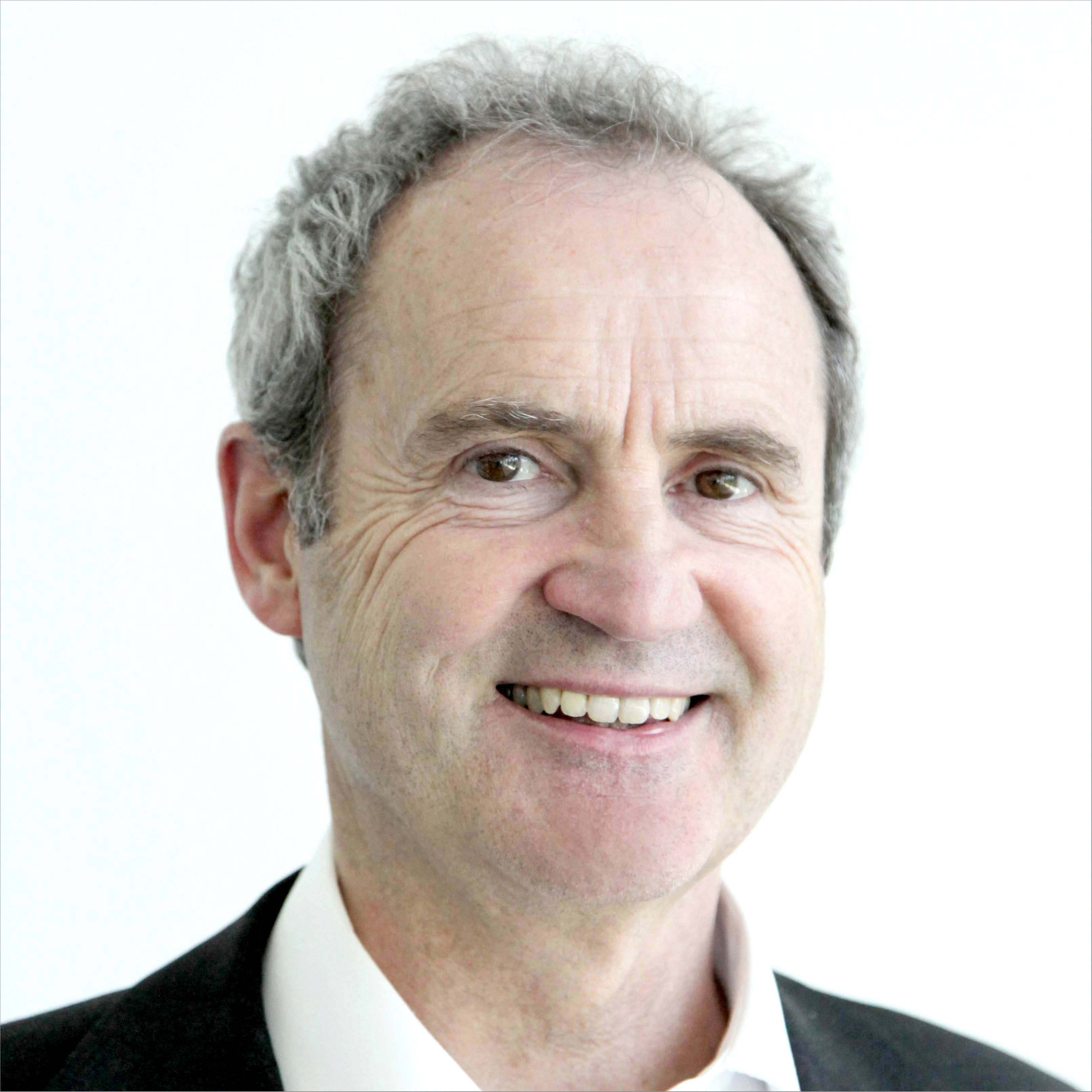
 Prof. Gerhard Schmitt
Gerhard Schmitt is Professor of Information Architecture at ETH Zurich, leader of the ETH Future Cities Laboratory Simulation Platform, Principal Investigator in BigData-Informed Urban Design of the Future Cities Laboratory 2, Founding Director of the Singapore-ETH Centre in Singapore, and ETH Zurich Senior Vice President for ETH Global.
His research focuses on urban simulation, Smart Cities and linking Big Data with Urban Design. From 1998-2008 he served as Vice President for Planning and Logistics and Member of the Board of ETH Zurich. He directed the development of ETH’s strategy and planning in cooperation with the 16 scientific departments. From 1984 to 1988 he conducted CAAD research and teaching at Carnegie Mellon University. He was Visiting Professor at Harvard GSD, at the Katholieke Universiteit Leuven, the Technical University of Denmark and at the Technical University of Delft. From 2004-2007 he chaired the Visiting Committee of the Graduate School of Design at Harvard University and initiated ETH Science City.
To Follow: 
 Prof. Christoph Hölscher
Christoph Hölscher is Professor of Cognitive Science at ETH Zurich since 2013; previously assistant and extra-curricular professor at University of Freiburg, Germany, Center for Cognitive Science. Doctorate (2000) and Habilitation (2009) in Psychology at University of Freiburg. Project manager in IT industry from 2000-2003 (User-adaptive systems, usability). Visiting positions: University College London, honorary senior research fellow Bartlett School of Architecture / Space Syntax group (since 2007). Visiting professor at UC Santa Barbara, departments of Geography and Psychology (2011 & 2012). Visiting researcher and project manager at University of Freiburg / SFB/TR8 Spatial Cognition (2013-2014).
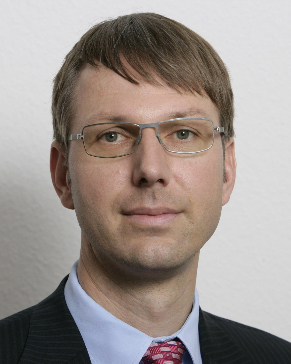 Prof. Dirk Helbing
Dirk Helbing is Professor of Computational Social Science at the Department of Humanities, Social and Political Sciences and
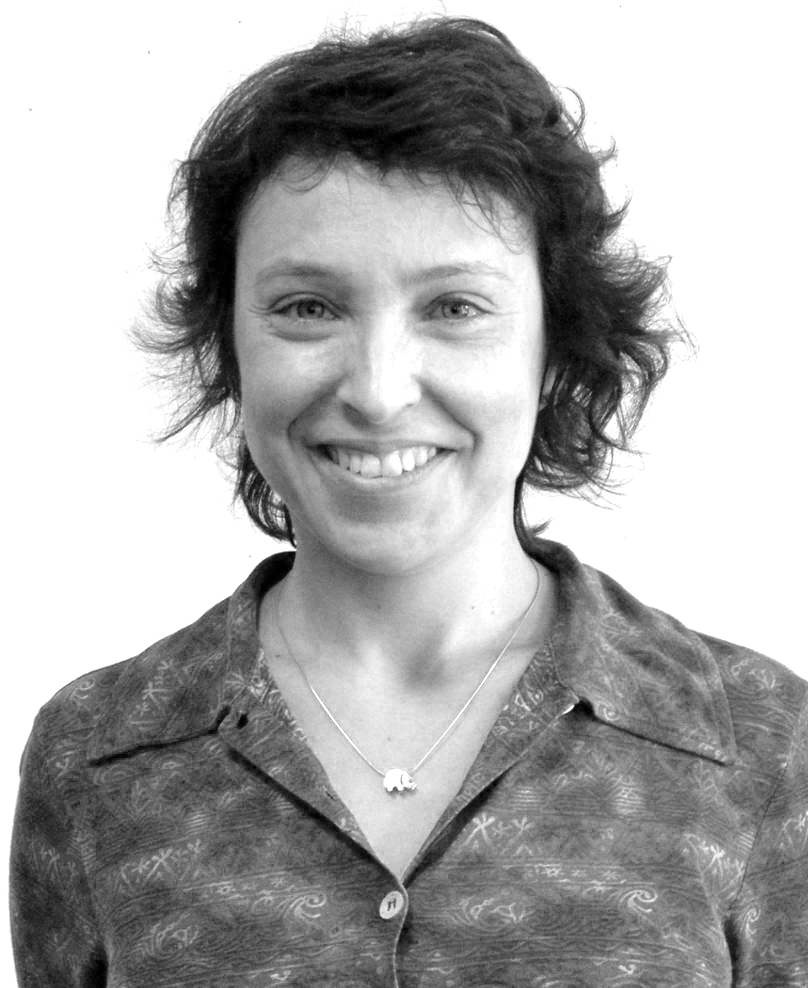 Assoc. Prof. Bige Tunçer
Bige Tunçer is an associate professor at
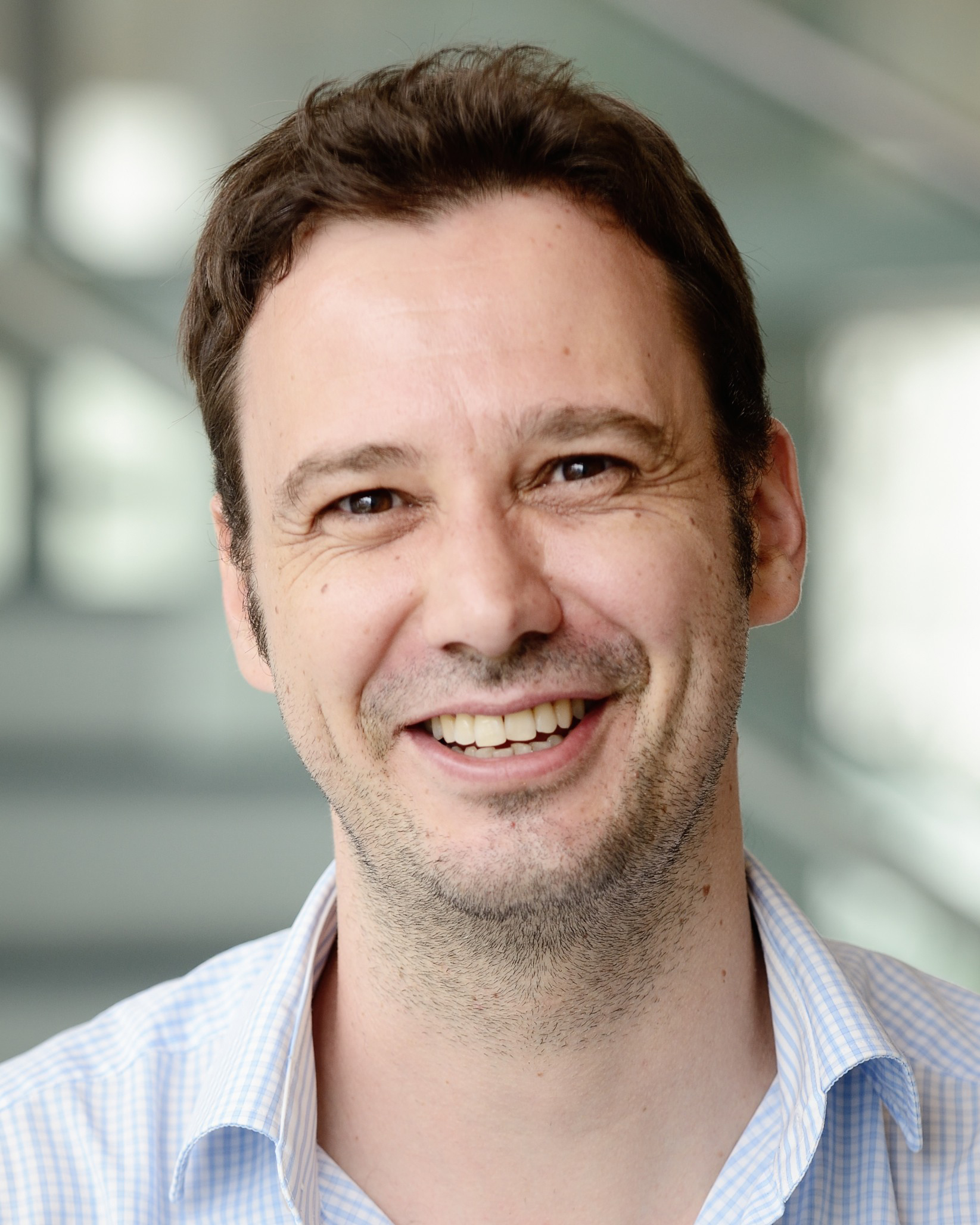 Markus Schläpfer
Markus Schläpfer is currently leading the Urban Complexity project at the ETH Future Cities Lab in Singapore. After receiving his Ph.D. from ETH Zurich in Mechanical Engineering, he conducted postdoctoral fellowships at MIT's Senseable City Lab and at the Santa Fe Institute, USA. His main research goals are the derivation of predictive quantitative models for the spatial organization of cities and its interplay with the optimal layout of urban infrastructure networks such as the energy supply system. To that end, Markus Schläpfer grounds his research on the increasing availability of large-scale data on human activities such as those automatically collected from mobile phone networks. He applies and further develops tools from network theory and complexity science to gain a comprehensive view of the dynamics of various cities worldwide.
 Arch. Matthias Standfest
Matthias Standfest is an architect with main interests directed towards understanding the geometric impact on architecture performance models using machine learning methods. As a researcher at ETH Zurich with Dr. Gerhard Schmitt and as a guest at FCL Singapore with Dr. Ludger Hovestadt, he has balanced method development for mesh based deep learning techniques with the application of these tools to predict urban simulation results in real time. His future research plans are aimed at extending these methods in order to use data streams of anthropocentric urban sensing setups to correlate human biofeedback with architectural design patterns. His aim is to establish a data-driven workflow for predicting the holistic effects of formal architectural and urban design decisions in various scales.
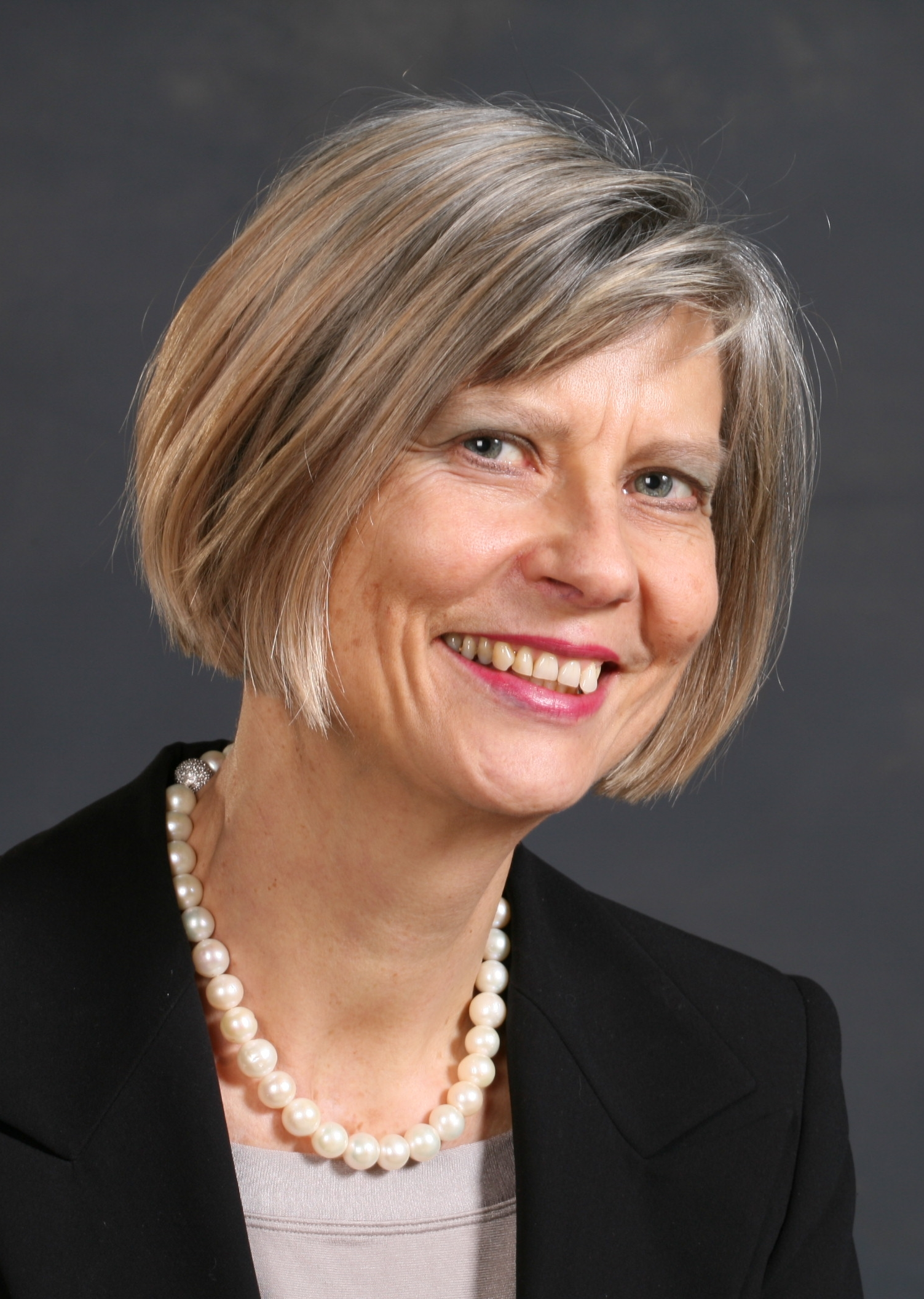 Prof. Renate Schubert
Renate Schubert is a professor of economics at the Swiss Federal Institute of Technology in Zürich (ETHZ). She is an author of numerous articles and books o n decision-making under risk and uncertainty, on energy and environmental issues, on developing countries’ problems as well as on gender issues. By means of experiments and other empirical methods, she tries to explain seemingly non-rational behavior and to lay the grounds for ways to improve welfare. Renate Schubert had been head of the Centre for Economic Research at ETHZ. In July 2007 she founded the Institute for Environmental Decisions (IED) which she headed until 2014. She has been member and chair of National Research Councils as well as Government and University Advisory Boards in several countries. She is a principal investigator in the FRS part of the Singapore- ETH Center.
 Prof. Kevin Schawinski
Kevin Schawinski (born 1981) is Professor of
 Elmar Ledergerber (Guest)
Elmar Ledergerber (born in Engelberg on April 4, 1944) was a previous Mayor of Zurich. He is a member of the Social Democratic Party of Switzerland and was once named one of the most outstanding mayors of the year by a London think-tank.
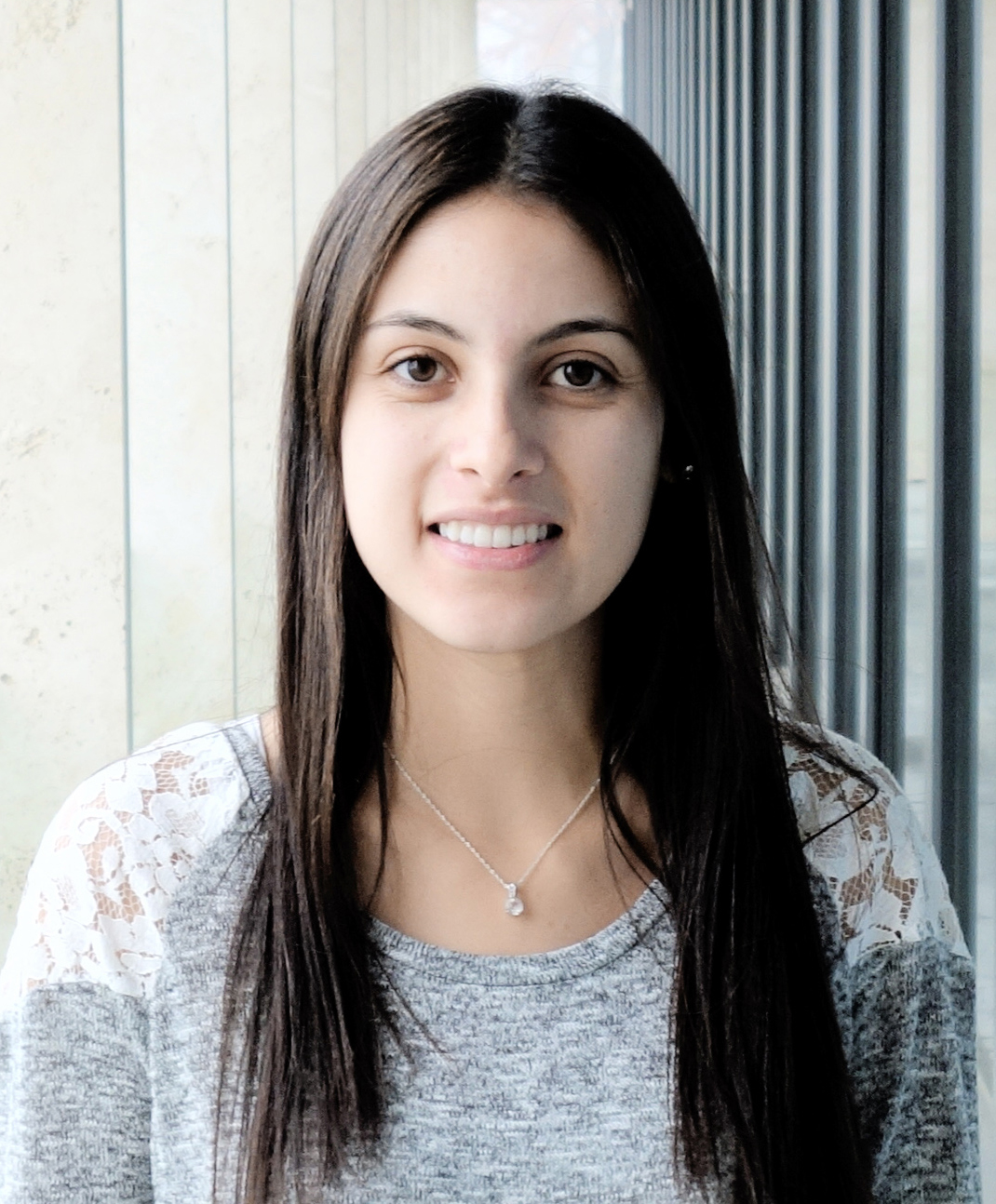 MSc Estefania Tapias
Estefania
To Follow: 
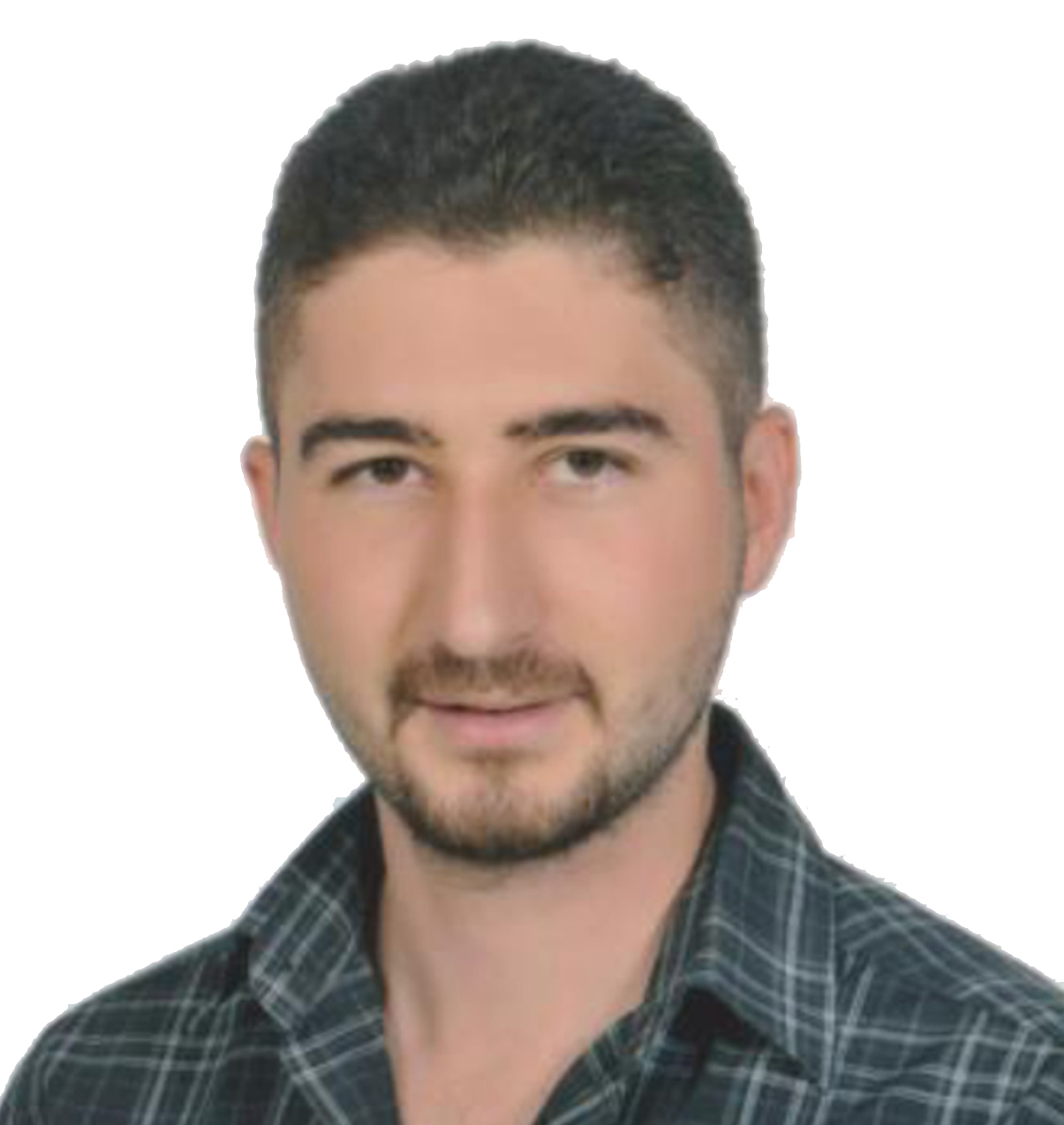 MSc Gianluca Genova
Gianluca Genova is currently an MSc Student in Integrated Building Systems at ETH Zürich. He holds a bachelor degree in Architecture and degree in City and Regional Planning from the Izmir Institute of Technology. Within the Department of Information Architecture (IA), Gianluca works as a Student Assistant, developing a series of MOOCs under the title “Future Cities;. Before joining ETH and the IA team, he worked as an Architect in ODI Group in Izmir, Turkey for two years and as a designer in Segmüller, a furniture company in Darmstadt, Germany for a year.He also has
To Follow:
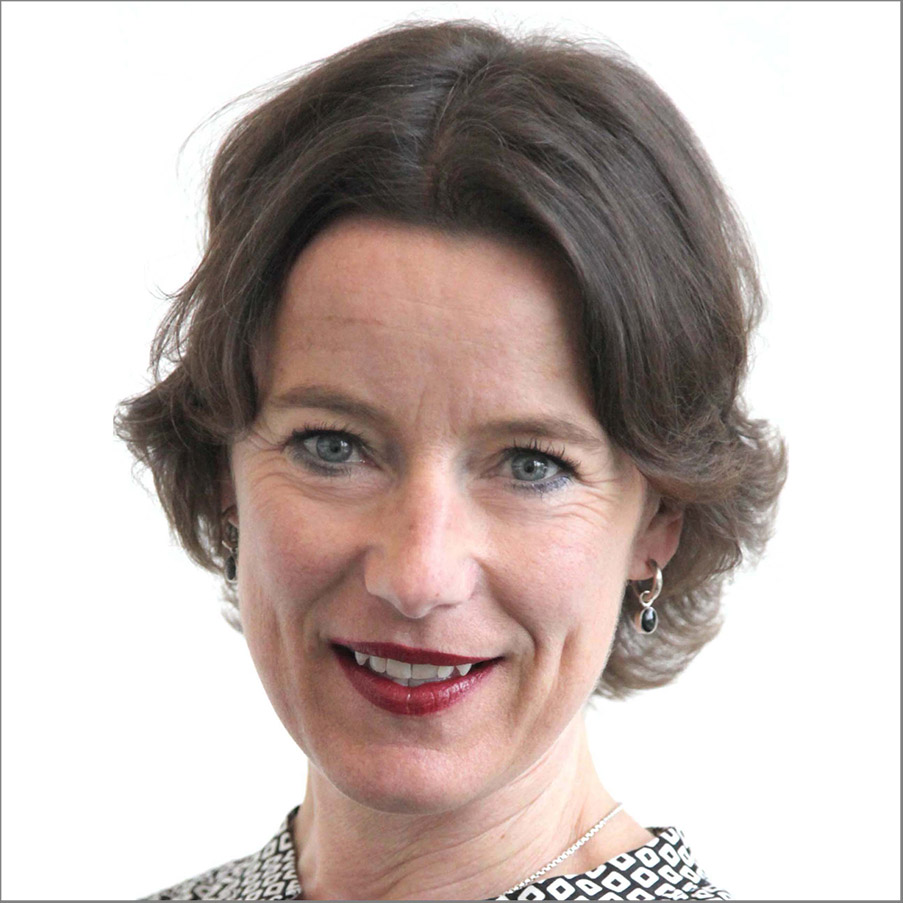 Denise Weber
Denise Weber is the Executive Assistant of Professor Gerhard Schmitt and is in charge of the administrative operation of the chair. She is also responsible for the management of the chair's finances, human resources, and project coordination as well as the controlling of part of the SEC/FCL finances. Previously Denise worked for various international advertising agencies as account supervisor, in Switzerland and overseas. After finishing her commercial apprenticeship she obtained a diploma as "Marketing planner" from SAWI – Swiss Marketing and Advertising Institute.